
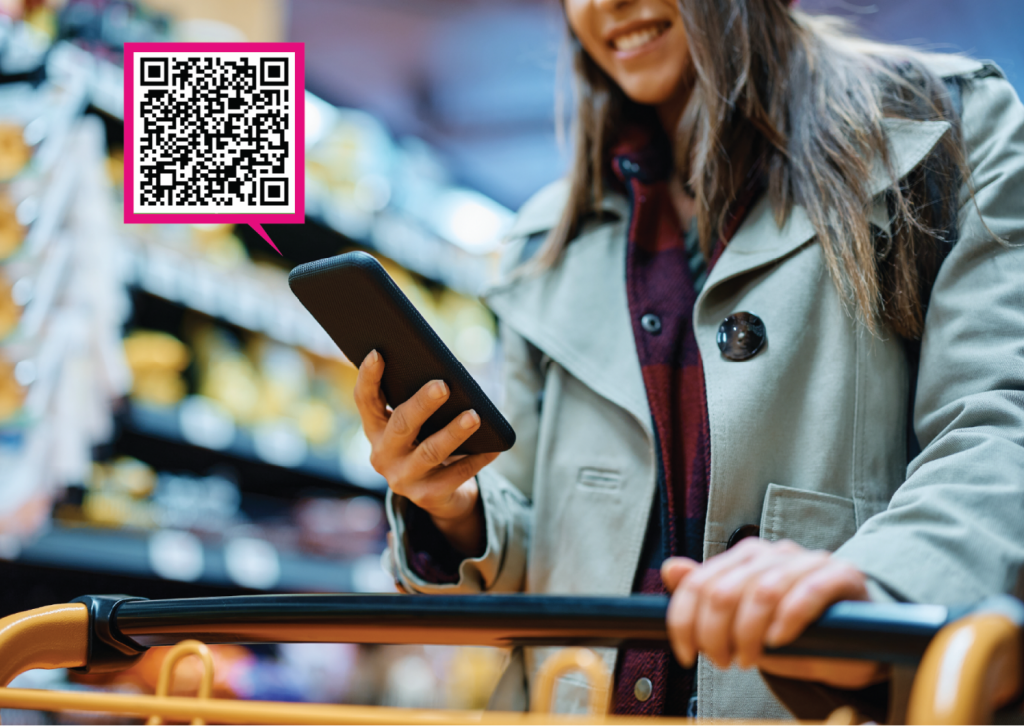
Packaging is no longer just a container; it’s a marketing and communication tool.
From food packs that unlock online games to drink labels that enable social sharing and baby formula that connects parents with detailed product information, today’s packaging plays an active role in brand engagement. Increasingly intelligent and interactive, packaging is becoming a vital bridge between the physical product and the digital world.
As brands shift more of their advertising investment online, packaging is evolving into a powerful marketing channel in its own right, one that connects consumers directly to digital experiences through QR codes, smart technologies, and personalised content.
At the same time, this transformation is reshaping expectations for printers, converters, and packaging partners, accelerating the adoption of digital printing technologies designed for speed, flexibility, and sustainability.
The Changing Face of Advertising
Advertising has undergone a fundamental shift toward digital-first strategies. Driven by improved targeting, measurable performance, and real-time engagement, brands are prioritising online channels more than ever before. Global digital advertising spend is projected to reach $800 billion by 2027, accounting for nearly three-quarters of total advertising investment worldwide.
Consumers now expect personalised, authentic interactions, particularly through social media, and packaging is uniquely positioned to deliver them at the moment of purchase.
Rather than acting as static branding, packaging has become a frontline storytelling tool. Designs are increasingly tailored to specific audiences, seasonal campaigns, and regional markets, while flexible packaging formats allow brands to adapt quickly to changing opportunities and evolving sustainability requirements.
Smart packaging technologies such as QR codes, NFC tags, and RFID are also becoming standard expectations. These features transform packaging into a gateway for digital engagement, enabling brands to deliver interactive content, promotions, and product information directly from the shelf.
For brand owners, packaging now supports discovery, engagement, and long-term loyalty, but this evolution introduces new operational challenges behind the scenes.
What This Means for the Print Industry
The rise of personalised and interactive packaging has dramatically increased demand for short-run production and frequent design changes. Brands now require seasonal SKUs, regional variations, and customised artwork, often incorporating unique codes or variable data.
Traditional print technologies such as flexographic and rotogravure printing were developed for long production runs, where setup costs for plates and cylinders could be justified. However, today’s fast-moving campaigns demand agility that these methods can struggle to deliver efficiently.
Frequent changeovers, additional setup waste, and increased production complexity can also conflict with sustainability goals. Meanwhile, smart packaging elements introduce further challenges, as conventional processes are less suited to intricate variable data printing and unique identifiers.
While litho, flexo and gravure remain essential print technologies for high-volume applications, the industry increasingly requires a complementary solution capable of handling rapid change and customisation.
The Digital Difference
Digital printing is uniquely aligned with the needs of modern marketing.
Because it operates without printing plates, digital production enables economical short runs and seamless SKU proliferation without lengthy setup times or additional tooling costs. Whether producing a limited-edition launch or scaling to larger volumes, digital presses enable changes to be made instantly, even mid-production.
This flexibility helps brands stay relevant, respond quickly to market trends, and avoid costly excess inventory.
Quality has also advanced significantly. Today’s digital presses deliver exceptional colour consistency and fine detail at least comparable or exceeding traditional methods, ensuring packaging stands out visually while maintaining reliable scanning performance for QR codes and other smart features.
Importantly, digital printing also supports sustainability objectives by matching production to demand, reducing waste, and eliminating plate disposal. Compatibility with sustainable flexible substrates further strengthens its environmental credentials.
Leading the Digital Charge
At Eco Flexibles, we recognised early that packaging was entering a new era.
Our investment in two Fujifilm Jet Press FP790 digital presses positioned us at the forefront of this transformation, enabling us to deliver premium flexible packaging solutions designed for today’s fast-moving market.
Using water-based inks with reduced environmental impact, these advanced presses provide the agility required for short runs, rapid artwork revisions, and high-quality full-colour printing on sustainable materials.
This capability allows us to integrate smart packaging features, including QR codes and RFID elements, with precise registration and reliable scanning performance, helping our customers bring ambitious campaigns to life with confidence.
From Shelf to Screen
The rise of digital-first advertising is redefining what packaging must achieve. Success now depends on delivering dynamic, personalised, and sustainable solutions at speed, requirements that traditional print methods alone were never designed to meet.
Digital printing offers a future-ready pathway, transforming packaging into an interactive brand asset that connects shelf presence with digital engagement.
By combining advanced technology with flexible expertise, Eco Flexibles is helping brands fully embrace the digital future of packaging, turning every pack into an opportunity to connect, engage, and inspire.
Ready to Take Your Packaging from Shelf to Screen?
If you’re looking to create flexible packaging that connects physical products with digital experiences, while improving agility and sustainability, our team is here to help. Contact our team here.